


21 Oct Unlocking Finance Opportunities Beyond the Banks: A Smarter Way to Fund Growth
Strategic Finance Solutions: Smarter Funding Strategies for Modern Investors
In today’s dynamic investment landscape, strategic finance solutions play a crucial role in driving growth and stability. Whether you are starting a business, expanding operations, or seeking to optimise your portfolio, understanding the various types of financing available is key. From equity financing that brings in new investors to debt financing through business loans, each option carries its own benefits, risks, and implications for cash flow and profitability. The right finance strategy allows investors and business owners to balance leverage, minimise the risk of default, and enhance the overall value of money invested. A thoughtful approach to business finance ensures that funds are allocated efficiently, payments are managed responsibly, and every financial decision aligns with long-term objectives.
Smart investors know that effective finance management goes beyond securing capital—it’s about making informed decisions that strengthen financial resilience and adaptability. By forecasting returns, assessing credit risk, and aligning funding options with business goals, investors can optimise their working capital and position themselves for sustainable growth. Whether arranging short-term funding or structuring complex investment finance, expert guidance makes all the difference. For tailored finance strategies designed to meet the demands of modern investors, speak with the specialists at Global Pacific Capital.
Why Look Beyond Traditional Banking?
What Are the Limitations of Traditional Banking for Funding Growth?
Traditional banking has long been the cornerstone of business finance, yet it often falls short when it comes to meeting the diverse and fast-changing needs of modern enterprises. The rigid approval criteria, heavy reliance on collateral, and extended processing times can make securing a bank loan an uphill battle—particularly for small businesses or those with irregular cash flow. Financial institutions tend to prioritise low-risk lending, which can limit access to the money you need for expansion or new opportunities. Strict compliance requirements and conservative lending policies often make it difficult for innovative businesses to obtain the necessary funds to move forward.
In contrast to this structured approach, many businesses find that traditional banking does not always align with their investment timelines or operational demands. The reliance on historical performance and the inflexibility around repayment structures can hinder growth potential. Businesses seeking to optimise working capital or manage seasonal fluctuations may require finance options that are adaptable, efficient, and responsive to changing markets. While banks play an important role in providing stability, their processes can lack the flexibility required for companies looking to move quickly and take advantage of emerging opportunities.
How Can Alternative Financing Options Benefit Businesses?
Alternative finance has emerged as a valuable solution for businesses seeking agility and customisation. From equity financing and invoice funding to private loans and peer-to-peer lending, these types of financing offer greater flexibility than traditional banking. Such options enable firms to secure funds without the stringent requirements often imposed by larger financial institutions. For many small businesses, alternative lenders can provide faster access to capital, allowing them to address immediate business needs, manage cash flow, or invest in growth without lengthy approval processes. These methods can also reduce reliance on collateral, making financing your business more achievable for newer ventures or those without substantial assets.
Businesses benefit not only from speed but also from the ability to tailor financial structures to suit their objectives. Whether through debt financing or selling equity, alternative channels often provide more transparent terms and adaptable repayment plans that align with specific investment cycles. By exploring multiple finance options, companies can diversify their sources of funding, reduce credit risk, and optimise financial performance. This broader approach allows entrepreneurs to allocate capital more strategically and respond effectively to market fluctuations, ensuring a stronger financial position over time.
What Is the Current Landscape of Finance Opportunities Outside Banks?
The modern finance landscape has evolved significantly, giving rise to a wide spectrum of funding sources beyond traditional banks. Non-bank lenders, private finance companies, and digital platforms now play a vital role in providing funds for businesses of all sizes. These institutions often cater to niche markets, offering tailored business lending solutions that reflect each borrower’s circumstances and risk profile. Whether it’s short-term funding, asset-backed loans, or equity-based investment, these opportunities offer alternatives that are often faster and more flexible than conventional banking. With interest rates and regulatory frameworks constantly shifting, many businesses are seeking these innovative channels to gain access to the money they need.
This shift toward alternative financing has also encouraged competition and innovation in the market. Businesses now have the power to choose from a range of reputable lenders who understand the realities of modern commerce. These newer players focus on efficiency, faster decision-making, and optimised lending structures that reflect today’s time value of money and evolving economic conditions. As access to capital becomes increasingly diversified, the value of exploring finance beyond banks lies in flexibility, transparency, and the potential to align funding with long-term strategic goals.
Understanding Alternative Financing Options
What Types of Alternative Financing Are Available for Businesses?
Modern businesses have access to a wide range of alternative finance options that extend far beyond traditional bank loans. These include equity financing, invoice finance, asset-based lending, and peer-to-peer loans, each serving different business needs. For example, equity financing involves selling equity in exchange for capital, while invoice finance allows firms to unlock funds tied up in unpaid invoices, improving cash flow. Debt financing remains a popular choice for companies seeking short-term liquidity, while grants and government funding programmes provide non-repayable sources of capital to help small businesses grow. Understanding these types of financing is essential for any business making a decision about how best to allocate resources and manage risk.
The meaning of financing in today’s market goes beyond simply borrowing—it’s about leveraging multiple channels to meet strategic objectives. Alternative financial institutions and private lenders are often more flexible than banks, offering faster approval times and tailored solutions. Businesses can access funds without rigid collateral requirements, and in some cases, negotiate terms that align with projected profitability or future cash flow. This growing variety of finance options allows entrepreneurs to select the structure that best supports their investment goals and minimises the risk of default.
How Do Peer-to-Peer Lending Platforms Work?
Peer-to-peer (P2P) lending has become one of the most accessible and transparent types of financing available to businesses and individuals alike. It connects borrowers directly with investors through online platforms, bypassing traditional financial institutions. The process is straightforward: a borrower submits a loan request, outlining the amount, purpose, and repayment term, while investors choose which opportunities to fund based on credit risk and expected returns. Interest rates are often competitive, and repayment structures can be designed to suit different cash flow patterns, making this model particularly appealing to small businesses or start-ups that struggle to secure a bank loan.
What makes P2P lending effective is its efficiency and transparency. By removing the middleman, both lenders and borrowers benefit from reduced costs and quicker access to capital. Many platforms use advanced data analysis to evaluate creditworthiness, ensuring the risk of default remains manageable. Investors earn returns through interest payments, while borrowers gain access to the money they need to fund expansion, purchase assets, or stabilise operations. For businesses starting out, peer-to-peer lending offers a practical, flexible, and scalable approach to financing your business in a way that aligns with modern market expectations.
What Role Do Crowdfunding Platforms Play in Funding Growth?
Crowdfunding has revolutionised how new businesses and entrepreneurs access finance, allowing them to raise funds directly from the public in exchange for rewards, equity, or early product access. This approach provides not only capital but also validation of an idea before committing to full-scale production. For companies starting a business or launching a new investment, crowdfunding represents an opportunity to build community engagement while securing early financial backing. It removes traditional barriers associated with banking and financial institutions, empowering innovators to showcase their value proposition directly to potential investors.
Beyond simply providing funds, crowdfunding delivers valuable market insight and reduces dependence on high-interest debt financing. It enables entrepreneurs to test demand, strengthen their brand presence, and attract future equity financing or venture capital opportunities. Successful campaigns often demonstrate profitability potential, helping businesses negotiate better terms with other lenders later on. As one of the most progressive finance options available, crowdfunding bridges the gap between creativity and business lending, giving companies a platform to access additional funds while retaining control and flexibility over their financial direction.
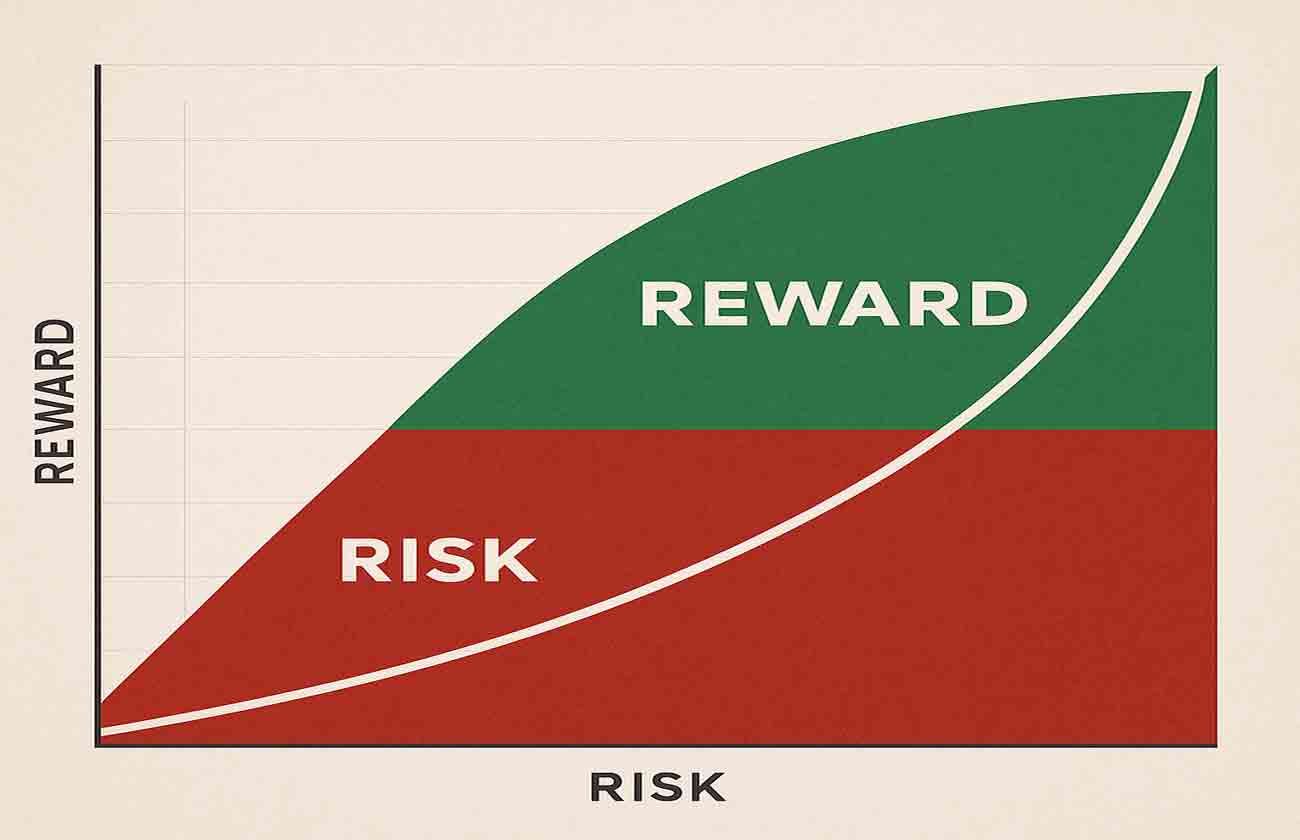
Evaluating the Risks and Rewards of Non-Bank Financing
What Are the Potential Risks Associated with Alternative Funding Sources?
While alternative funding offers flexibility and innovation, it also introduces unique challenges and risks that businesses must evaluate carefully. One of the most significant concerns is the risk of default, as some forms of debt financing may carry higher interest rates compared to traditional bank loans. These higher costs can impact cash flow and long-term profitability if not managed properly. Certain lenders may also require strict repayment schedules or impose penalties for early borrowing settlement. In addition, some types of financing, such as equity financing, involve selling equity, which can dilute ownership and reduce decision-making control for the shareholder or business owner.
Another consideration is the variability of financial institutions operating outside traditional banking systems. Not all alternative lenders have the same level of regulation or transparency, making it vital to assess their reputation and compliance standards. Businesses must weigh the pros and cons of each finance option, ensuring the money they need is obtained through reputable sources. Poorly structured loans or misjudged credit risk can lead to financial strain, impacting a firm’s working capital and ability to invest in future opportunities. Evaluating lender reliability, loan terms, and repayment structures is essential before committing to non-bank financing.
How Can Businesses Assess the Profitability of Non-Traditional Financing?
Assessing the profitability of non-bank finance options requires a thorough understanding of both short-term gains and long-term financial implications. Companies should begin by forecasting their cash flow, considering how interest payments, fees, and potential equity dilution may affect overall value. Using tools such as the weighted average cost of capital (WACC) can help determine whether the cost of funds aligns with expected returns. Businesses should also review their debt-to-equity ratio and evaluate whether new borrowing enhances or weakens their financial stability. A well-structured loan should contribute positively to growth without over-leveraging the business or exposing it to unnecessary credit risk.
Successful evaluation depends on detailed financial modelling and clear objectives. Firms should assess whether the finance company or lender offers terms that align with their strategic plan and investment timeline. Understanding the time value of money is crucial when analysing the long-term impact of interest rates and repayments. Comparing different types of financing—such as invoice funding, asset-backed loans, or selling equity—helps identify the most efficient approach to optimise returns. By conducting careful analysis and realistic forecasting, businesses can make informed decisions that support growth while maintaining control over financial outcomes.
What Are the Success Stories of Companies That Utilised Alternative Financing?
Many successful enterprises have turned to alternative finance to achieve growth when traditional banking options were limited. Small and medium-sized firms, for instance, have leveraged invoice financing to unlock working capital tied up in unpaid invoices, allowing them to expand operations without waiting for client payments. Others have utilised equity financing to attract investors and gain access to additional funds for innovation, product development, or market expansion. By diversifying funding sources, these businesses reduced reliance on conventional financial institutions and improved their resilience during economic uncertainty.
Real-world examples show how alternative funding can drive transformation. Start-ups and growing firms have used peer-to-peer lending, asset-based loans, and crowdfunding to access the money they need quickly and efficiently. These methods not only provided essential capital but also strengthened relationships with investors and customers, reinforcing brand credibility and financial independence. The ability to arrange flexible financing and adapt repayment structures to match business cycles has proven a key advantage. Such success stories highlight how embracing non-bank finance can lead to sustained growth, improved profitability, and long-term value creation across various industries.
Strategies for Identifying the Right Financing Options
How Should Businesses Determine Their Financing Needs?
Identifying the right financing requirements begins with a clear understanding of a business’s goals, timeline, and operational priorities. Whether the objective is starting a business, expanding production, or stabilising cash flow, companies must first assess their working capital position and projected expenses. A detailed forecast of revenue, expenditure, and anticipated growth helps establish the amount of funds required and the duration for which they will be needed. Businesses should also evaluate the meaning of financing in their specific context—whether short-term debt financing to cover operational gaps or equity financing to support long-term expansion. Analysing the value of money over time helps in aligning funding choices with strategic outcomes.
A thorough assessment of business needs requires attention to risk management, repayment capacity, and expected returns. Companies should calculate their weighted average cost of capital (WACC) to ensure that any borrowing or selling equity contributes positively to profitability. Considering how different finance options affect control, cash flow, and leverage allows management to make informed decisions. A well-defined financial plan helps businesses allocate resources efficiently, avoid over-borrowing, and ensure that the chosen financing structure supports both stability and sustainable growth.
What Factors Should Be Considered When Choosing Between Different Financing Options?
Choosing the right finance option involves weighing several critical factors that can influence both short-term operations and long-term profitability. Businesses must evaluate the total cost of capital, including interest rates, fees, and repayment terms, to determine affordability. Each lender or financial institution has unique requirements for collateral, credit history, and performance indicators. Understanding these conditions helps avoid unexpected obligations or the risk of default. Firms should also assess the impact of borrowing on their working capital, liquidity, and credit risk. Some options, such as bank loans, offer structure and predictability, while others—like equity financing—allow flexibility but involve sharing ownership.
The decision-making process should also take into account timing, business objectives, and market conditions. Analysing the pros and cons of different types of financing helps match the right funding model to the company’s operational and strategic goals. For example, short-term invoice financing might suit companies with predictable receivables, while long-term expansion may call for a finance company specialising in commercial investment. Understanding the time value of money and aligning repayment schedules with revenue cycles ensures that capital is used effectively. The right balance between debt financing and equity funding will ultimately define financial resilience and growth potential.
How Can Businesses Create a Compelling Pitch to Attract Investors?
Crafting a compelling pitch begins with clarity, credibility, and confidence. Investors are drawn to well-prepared businesses that demonstrate strong market insight, sound financial planning, and a clear objective for the funds being sought. A concise yet persuasive presentation should explain the company’s value proposition, expected returns, and risk management strategies. Including details on cash flow, profitability forecasts, and how additional funds will be allocated provides reassurance to potential investors. Transparent discussion of existing assets, liabilities, and repayment strategies helps establish trust and reduces perceived credit risk.
Beyond financial data, an effective pitch connects logic with vision. Investors seek opportunities where finance can directly contribute to measurable growth and long-term value creation. Businesses should highlight their competitive advantage, management expertise, and scalability to justify the investment. Supporting the proposal with realistic financial models, sensitivity analysis, and a clear exit strategy demonstrates professionalism and preparation. Whether the goal is debt financing, selling equity, or securing grants, a structured and data-driven presentation helps attract reputable backers who share the company’s strategic vision and appetite for sustainable success.

Leveraging Technology in Alternative Financing
What Technological Advancements Are Shaping the Future of Financing?
Rapid innovation is transforming the finance landscape, introducing technologies that simplify access to capital and improve transparency in business lending. Artificial intelligence, blockchain, and digital platforms are redefining how lenders assess credit risk, process applications, and manage repayments. Automated systems now enable real-time verification of financial data, while blockchain technology enhances security, reducing the chances of fraud or data manipulation. For small businesses and entrepreneurs, these advancements provide faster, more accurate assessments, allowing them to obtain the funds they need without the lengthy processes associated with traditional banking. As automation improves efficiency, the meaning of financing is evolving towards more agile and data-driven decision-making.
The rise of digital ecosystems has also made it easier for investors to connect with borrowers through peer-to-peer networks and equity financing platforms. These systems use smart algorithms to match businesses with appropriate finance options, balancing risk and reward for both parties. Machine learning tools help predict profitability and identify reliable borrowers, while online dashboards allow companies to track their cash flow and manage repayments seamlessly. By integrating advanced analytics and automation, technology is reshaping how financing is sourced, evaluated, and maintained—marking a major shift towards a more inclusive and efficient financial environment.
How Can Businesses Utilise Fintech Solutions to Enhance Their Funding Strategies?
Fintech innovations are transforming how companies arrange and manage funding, offering smarter, faster, and more accessible finance options. Through cloud-based platforms, mobile applications, and automated underwriting systems, businesses can now secure loans or investment with minimal friction. These tools simplify the application process by reducing paperwork, improving accuracy, and shortening approval times. For small businesses or those starting a business, fintech solutions enable access to debt financing, invoice funding, or equity financing in ways that were previously limited to large corporations. By leveraging technology, companies can align financing your business with real-time financial performance and projected cash flow.
Fintech solutions also offer data integration capabilities that help firms make informed decisions about borrowing and repayment. With features like predictive analytics, automated credit scoring, and smart budgeting tools, businesses can evaluate the pros and cons of each finance option more effectively. These systems provide insight into interest rates, repayment timelines, and funding structures, helping firms optimise their working capital and reduce the risk of default. By using technology to improve transparency and efficiency, fintech empowers businesses to design funding strategies that are flexible, scalable, and aligned with both short- and long-term financial goals.
What Role Does Data Analytics Play in Securing Alternative Funding?
Data analytics has become a cornerstone of modern business finance, offering clarity and precision in decision-making. By analysing vast amounts of financial and behavioural data, lenders and investors can assess credit risk, forecast repayment patterns, and determine the viability of a loan or investment. This approach replaces subjective judgement with measurable insight, allowing finance companies to make fairer and more accurate lending decisions. For borrowers, access to data-driven finance options means greater transparency and potentially better terms, as reliable information can help demonstrate stability and reduce perceived risk of default.
Beyond improving credit evaluation, data analytics helps businesses identify patterns in their own cash flow and working capital management. Firms can use predictive models to forecast funding gaps, optimise borrowing, and ensure they always have the money they need for growth. Real-time analytics also supports better negotiation with lenders, as businesses can present evidence-backed financials and repayment histories. This technology-driven approach enhances the value of money by ensuring every funding decision is guided by reliable data. As analytics continues to evolve, it strengthens both trust and efficiency across the entire financing process, driving smarter, evidence-based outcomes for all parties involved.
Conclusion: Embracing a Broader Perspective on Financing
Why Is It Vital for Businesses to Diversify Their Funding Sources?
Diversifying funding sources is essential for any company seeking financial stability and sustainable growth. Relying on a single lender or financial institution exposes a business to unnecessary risks, such as fluctuating interest rates, restricted cash flow, or limited access to additional funds when needed. By exploring multiple finance options—including equity financing, debt financing, or invoice funding—businesses can balance short-term liquidity with long-term capital goals. Diversification also helps reduce dependency on traditional bank loans, offering flexibility to repay or restructure financing based on market conditions. A well-diversified business finance portfolio protects against sudden credit restrictions, ensuring a company remains agile and well-prepared for evolving opportunities.
The modern meaning of financing extends beyond simple borrowing—it’s about strategic risk management and creating a financial structure that supports innovation and resilience. By combining various types of financing, businesses can align each funding source with a specific objective, such as working capital optimisation, expansion, or asset acquisition. This multi-layered approach enhances profitability and safeguards the company from the risk of default tied to single-source dependency. For expert guidance in structuring diversified funding tailored to your business, Global Pacific Capital provides strategic finance solutions designed to strengthen financial flexibility and growth potential.
How Can Companies Stay Informed About Emerging Finance Opportunities?
In a rapidly changing financial landscape, staying informed about emerging finance opportunities is crucial for maintaining competitiveness and agility. Businesses should continuously monitor market trends, interest rate movements, and evolving types of financing offered by both traditional and non-bank financial institutions. Access to up-to-date business finance insights allows firms to anticipate changes in lending criteria, evaluate new investment options, and make strategic decisions about future funding. Subscribing to financial reports, attending industry seminars, and maintaining relationships with reputable finance companies can help organisations recognise new sources of funds before competitors do.
Adapting to innovation is equally important. The rise of fintech, peer-to-peer lending, and equity financing platforms has broadened the range of finance options available to businesses of all sizes. By leveraging technology and maintaining active engagement with lenders and investors, companies can identify funding solutions that match their growth stage and risk appetite. Staying informed allows businesses to allocate capital wisely, avoid high-cost borrowing, and seize new investment opportunities with confidence. Working alongside financial specialists ensures access to current market intelligence and expert insight, helping businesses make informed funding decisions that drive lasting success.
What Steps Can Businesses Take to Implement a Robust Funding Strategy?
Building a robust funding strategy begins with a clear understanding of the company’s objectives, cash flow requirements, and long-term growth plan. Businesses should start by assessing their working capital and forecasting potential borrowing needs, ensuring they know exactly how much money they need and when they’ll need it. Once financial goals are defined, the next step involves exploring suitable finance options, from bank loans and debt financing to equity financing or grants. Each option should be evaluated for its cost, flexibility, and alignment with operational priorities. Effective strategies also include contingency planning to handle economic shifts or fluctuations in credit risk.
Equally important is the ongoing review of existing funding structures to ensure they remain optimised and cost-efficient. Companies should regularly analyse their weighted average cost of capital (WACC) to ensure their investment and borrowing decisions maximise returns without overexposing the firm to financial strain. Partnering with an experienced finance advisory firm helps align the right mix of funding sources to the business’s objectives while maintaining a balance between risk and return. For tailored support in structuring and implementing an effective funding strategy, Global Pacific Capital offers expert guidance designed to optimise your financial performance and drive sustainable growth.